Everyone wants strong client relations. One of the predicators for this is having a clear, agreeable price tag on your services; whether you're a solo freelancer, or a project manager with a talent pool to dip into, how you handle those rates is intrinsic to making everyone happy, including yourself.
The overriding question will be: how should I charge people? Will it make sense to have an hourly rate for every prospect, or go on a full-project basis, merely counting the cost of the end result? Let's help you decide.
Option A – the 'per hour' basis
Freelancers and their ilk must pace their work like any other job. Whether it's a two-hour stint, or a ten-hour marathon, you want fair compensation for the minutes you're pouring into something.
It's easy to see, therefore, why hourly rates are attractive: they give you a compensatory safety net if a project runs for longer than you imagined. A lot of freelancers choose hourly pricing when they start up – it's nice to know that you can make a living with good time control. It encourages self-awareness at the dawn of your new career.
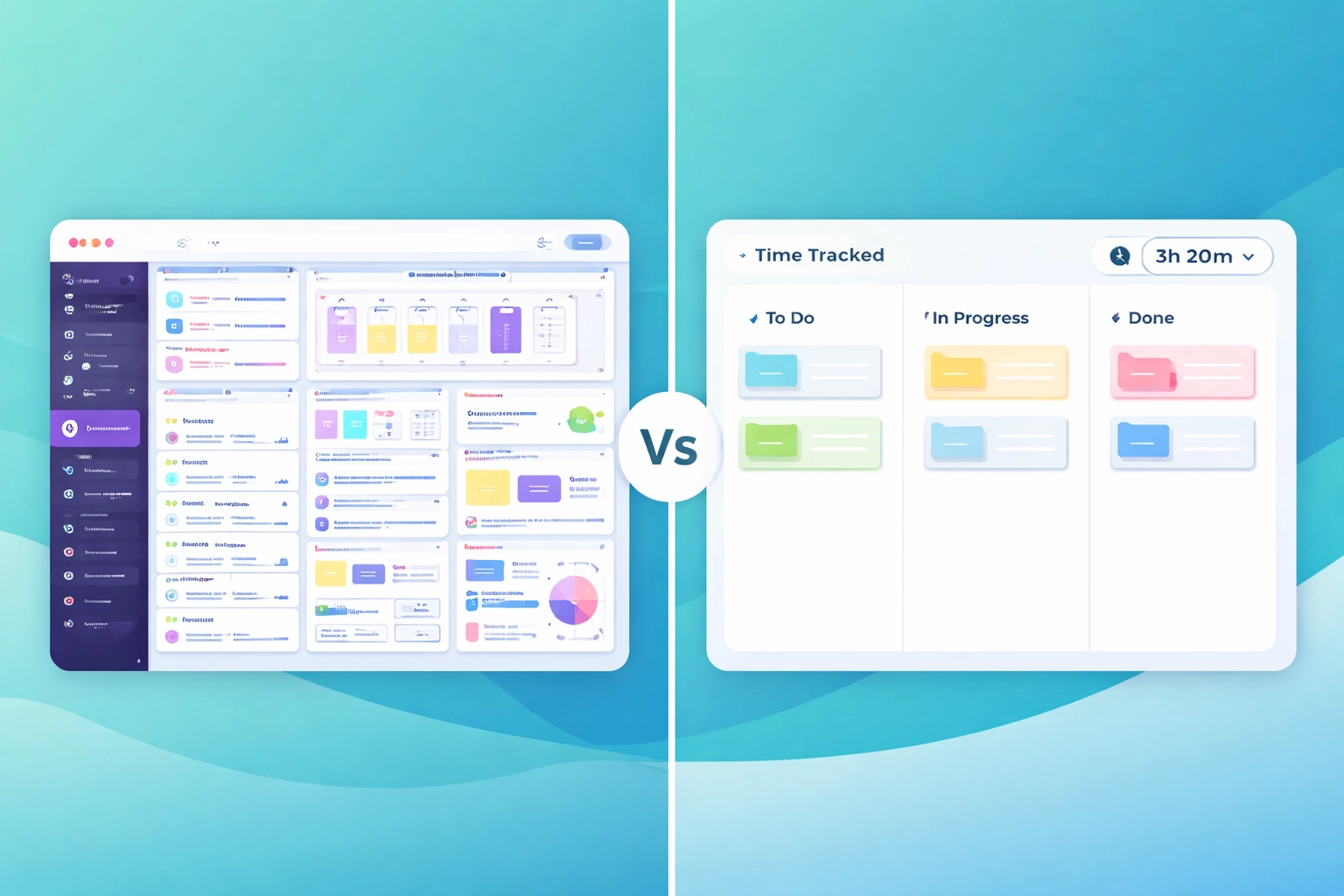
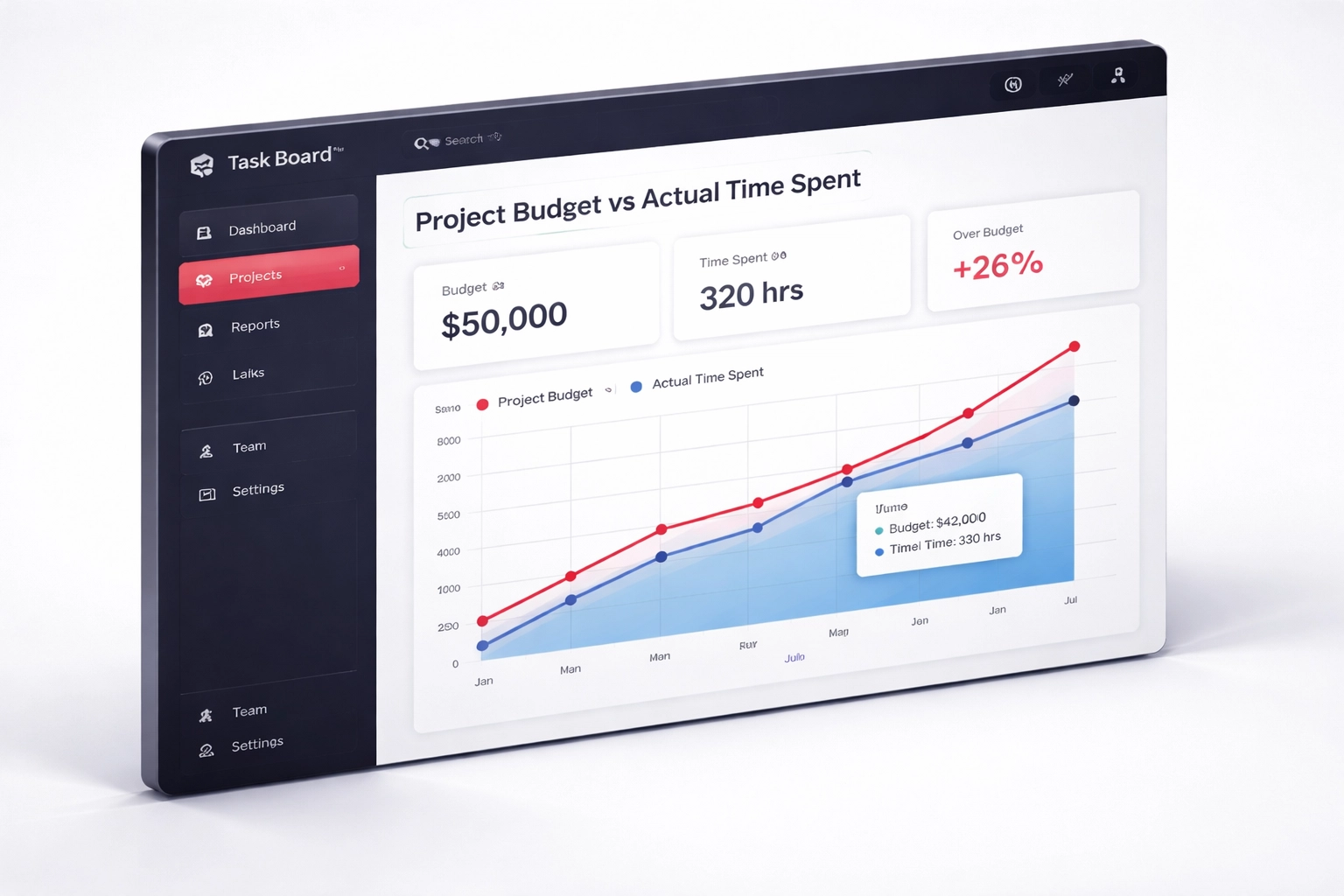
If you choose hourly rates, accurate time tracking becomes essential. A tool like Task Board has built-in time tracking that logs hours against specific tasks, making it easy to see exactly how long each piece of work takes. You can generate reports showing time spent per project, which makes invoicing straightforward.
However, bear in mind that clients don't really care how long a project takes to complete. They are after the finished piece; thusly, you might only spend a couple of hours on an assignment and get results that go above and beyond what you'd normally achieve. Yet you can only bill for the time you've expended, as opposed to the effort you've put in. Those aren't mutually exclusive…
Option B – the 'per project' rule
As we mentioned, hourly rates can hamstring you as your profile builds and better clients (with a lot of cash in the bank) come calling. When you're confident enough in your abilities, basing prices on a per-project model will symbolise that step up to the big time. You'll be able to work less hours for the same fees, if you can deliver fantastic results swiftly and consistently.
There is a drawback though – how certain are your predictions for the effort, resources and commitment it'll take to accomplish something? What if there's a surprise in store? An assignment can run way over the mark if you're overly confident about a speedy delivery. And, like any sense of foresight, this risk can be hard to gauge.
This is where historical data helps. By tracking your time on previous similar projects, you build up a picture of how long things actually take. Over time, you can quote with confidence because you have real data backing up your estimates.
Don't deliberate for too long – one of the benefits of tracking your work is that you can switch between each strategy as you grow. Start with hourly rates while you learn, then move to project-based pricing when you have enough data to quote accurately.