They used to be a heavenly bolt of convenience shining down on our work schedule: you could actually reach contacts instantaneously, over oceans and time-zones, with the click of a mouse and some well-placed words. Like letters, but so much better! Emails changed the way we communicate, and how we were able to manage teams of people from afar.
Yet emails can seem as fiddly and ponderous as the snail mail that preceded them. Why is that, exactly? Here are a few ideas, all of which point towards better solutions for modern teams.
Oversaturation
The average working professional might receive a hundred emails or so a day. As you're trying to focus on the task at hand, you'll probably have one eye trained on your inbox, anticipating something important landing there. But the glut of most of our messages are made up of fairly tertiary material – spam, marketing spiel, scant updates about a meeting brief.
While it's good to keep on top of this, it can be overwhelming to sift through to the stuff that really matters. Practically any form of contact or website enquiry demands our email address. That's fine, if only it was easier to spot a project management message amidst everything else. The most vital communications can get buried under a large email backlog, meaning we can't find them as quickly as we'd like.
Breaking the chain
Dealing with numerous people in a single email conversation is just messy, to be honest. You have to remember to include everyone's correct address, for starters, before scanning back through all the relevant points everyone keeps making. It's like trying to host a crowded room when all the speakers are talking over each other, forgetting what's being said.
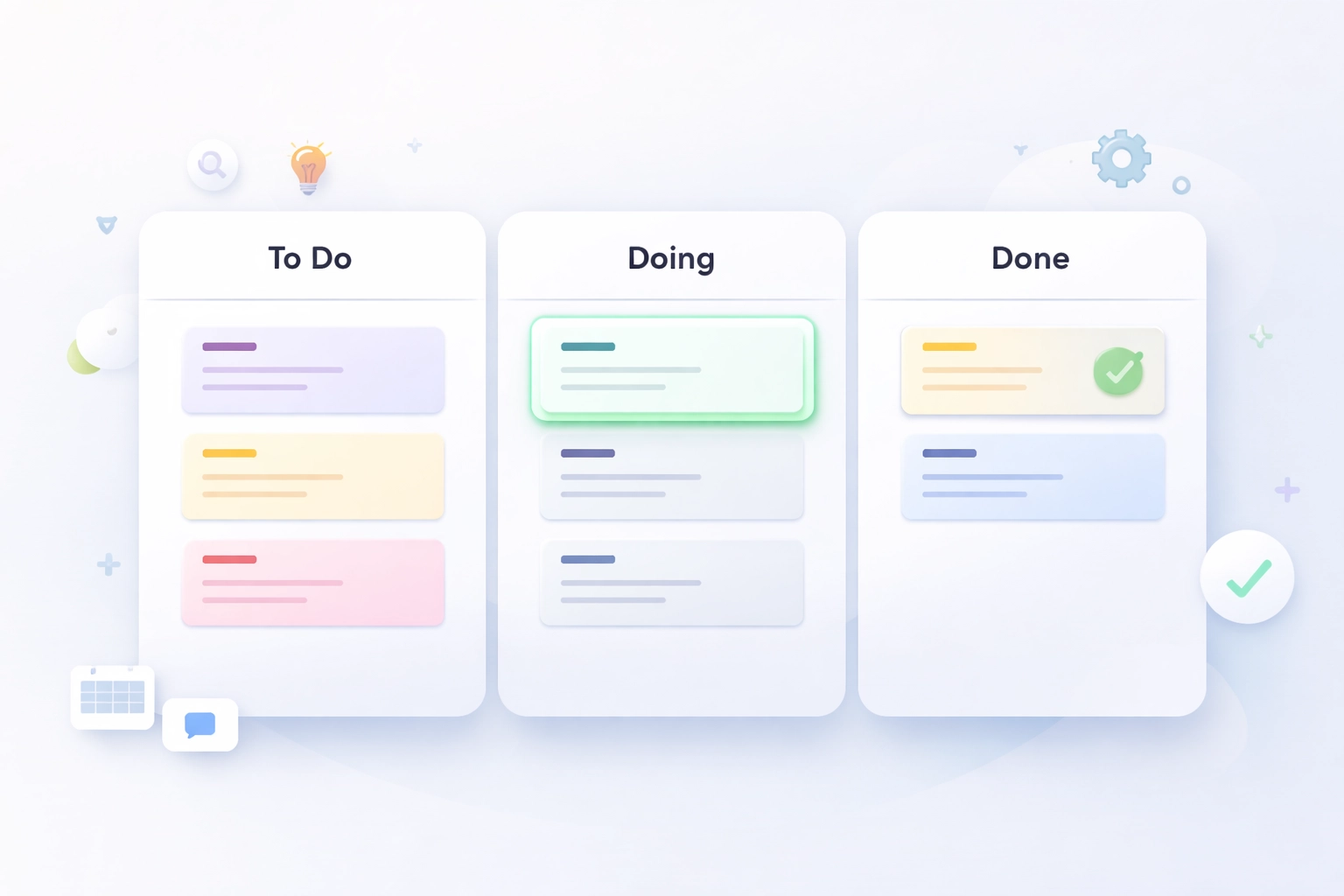
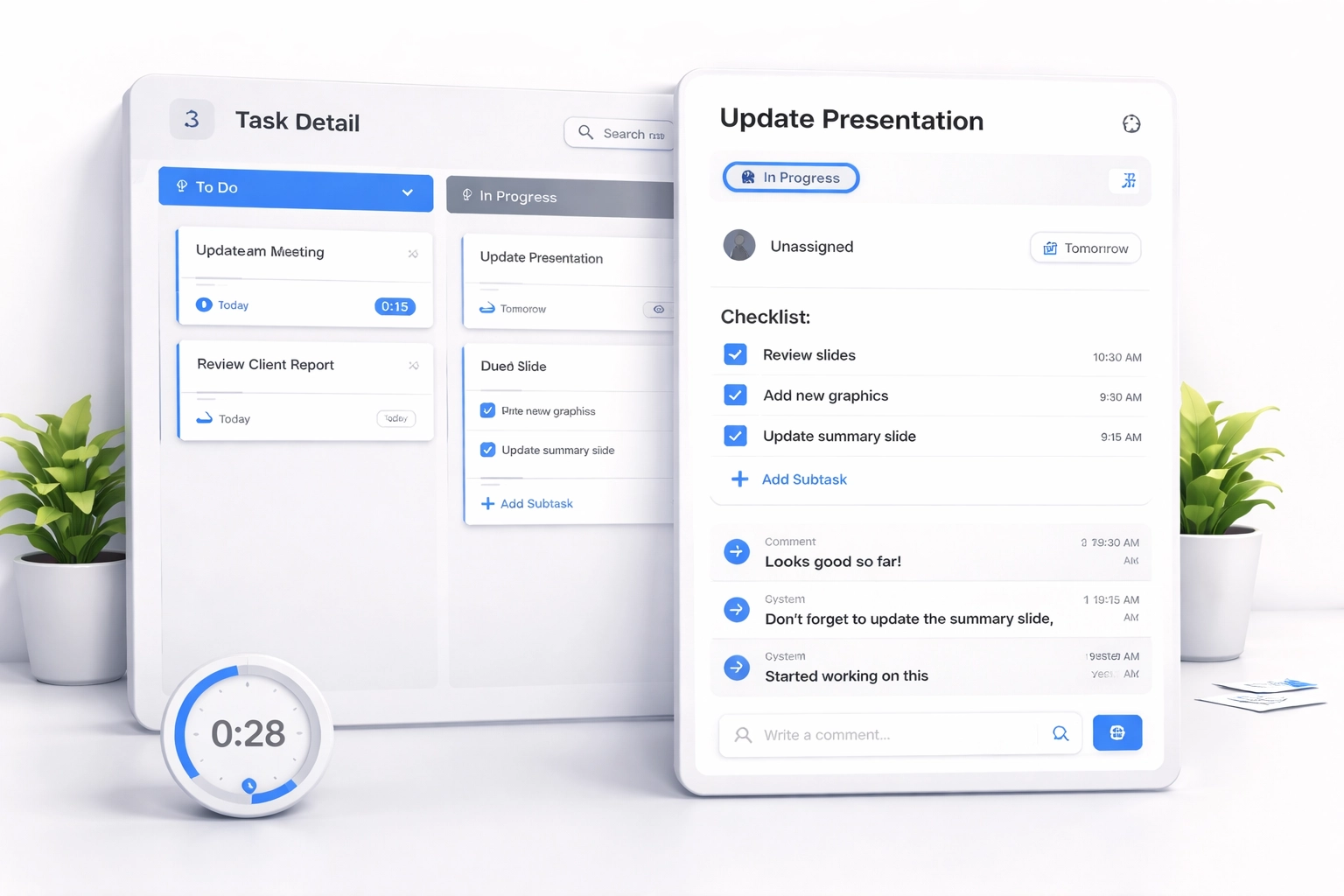
A task management tool solves this by keeping all comments attached to specific tasks. You can easily see what everyone's status is with a particular piece of work, which is useful when you're delegating to people in far flung places. It beats lengthy email chains hands down.
Misunderstandings
Chaos can be unavoidable, at least with email receipts. Both clients and workers under your control may get the wrong end of the stick when it comes to completing a task. You want a project to emerge with the highest possible standards intact, hitting the right notes and deadlines.
That's why relying on the back-and-forth of email attachments really isn't the best recipe for success. What if a time-sensitive piece is delivered to the wrong person, or there's a mix-up regarding requirements? By keeping all project discussions in one place – attached to the specific task they relate to – everyone knows exactly what's been agreed.
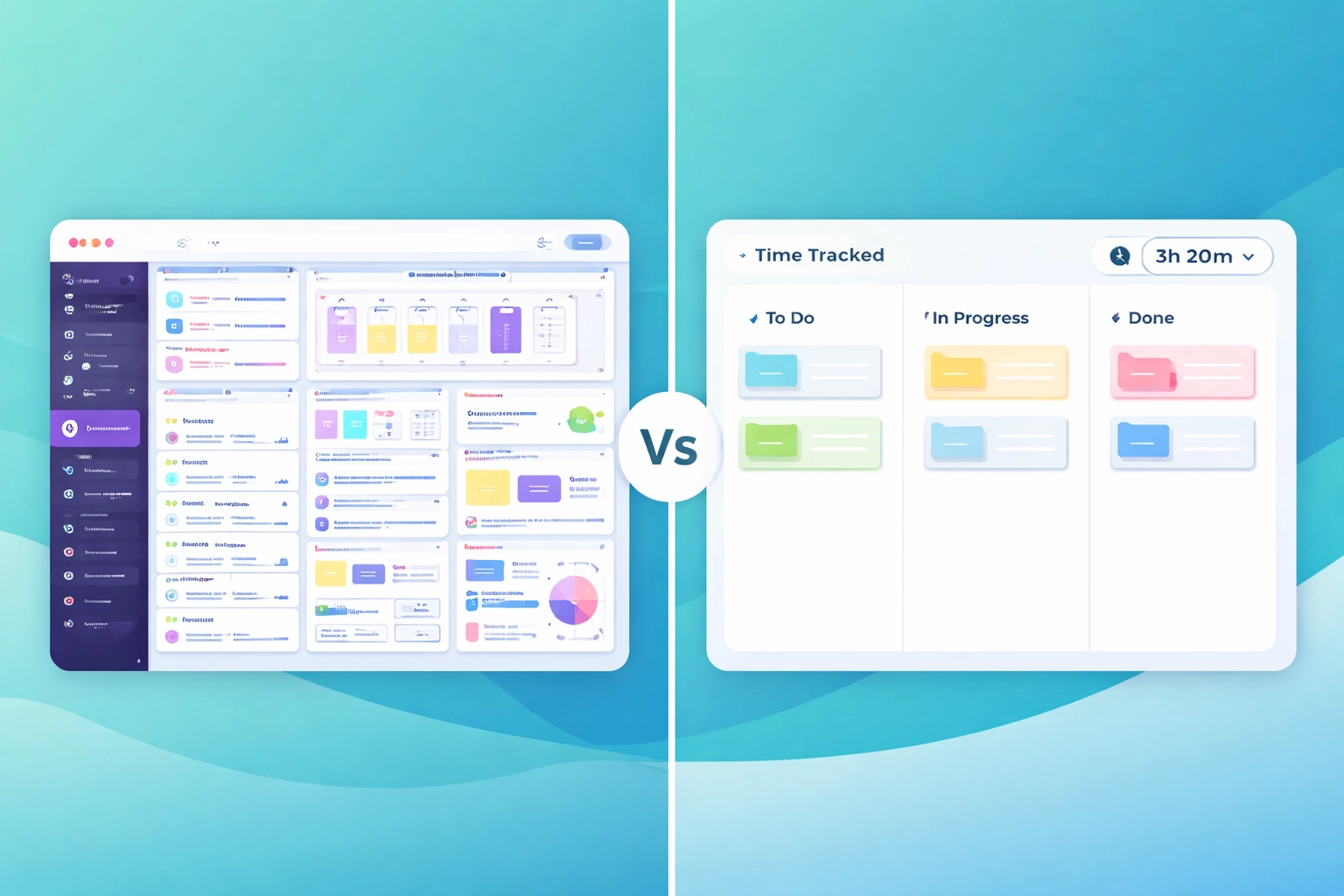
Email still has its place, but for project management, a dedicated tool like Task Board is far superior for keeping everyone clued up about what's on the cards, no matter where they are.