As the minutes drip by from our workday, there's usually cause to take stock of how well they've been used. Or not, as the case may be: few businesses can say that their time is played out to its full potential. There are common, niggling oversights that can slow project management to a crawl when it should be sprinting to the finish line.
These timewasters are small, easy to miss, and damaging to remote team leadership. If you and your freelancers fall prey to any of the following, it might be a good idea to shake up how you work together…
Weak links in the email chain
While emails have made great, tectonic changes to the way we communicate with each other, remote work culture is increasingly revealing their fault lines. Sending an email out to office staff isn't too much of a problem, since you can check, person-to-person, whether they've looked at it. Freelancers, on the other hand, are spread far and wide, and it may take hours before you or they realise a mistake has led to a bounce-back.
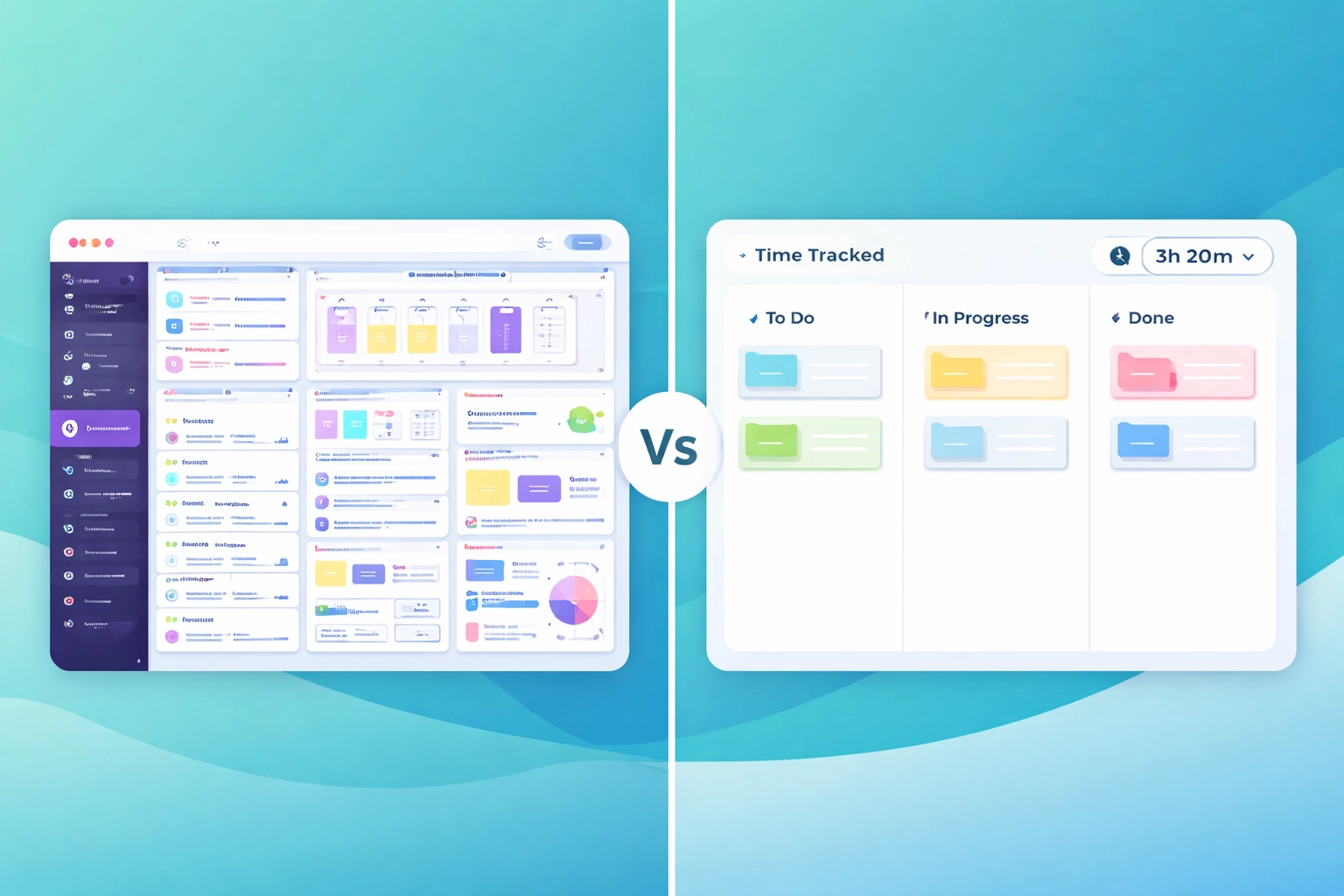
If the conversation is a crucial one, this risk is hard to justify. Additionally, you may find it troublesome to sift through past emails, cc'ing people into a dialogue and seeing who's said what. A task management platform is far superior for storing everyone's comments, letting you trade information in a single place.
Vague research tips
Freelancers are a clever bunch, by and large, otherwise you wouldn't hire them. Yet even the smartest people can go way off the mark without a little guidance. As a project manager, it's your duty to provide the clearest outline of what you expect from them. Several hours of work equate to resources down the drain if they misinterpret the brief.
By providing whatever's needed for a focused assignment – links, comparable work, notes from the client – this bugbear becomes less and less likely to haunt your schedule. You should also have full confirmation from the freelancer that they're in-the-know, leaving you free to manage other tasks.
Starting without clarity
Poor information relays can strike in other ways, too. A freelancer might be tempted to jump the gun on a task before the requirements are fully clear. This can create a figurative sinkhole that'll suck up their efforts for no reason. If the client decides they want something different, that's another slice of pointless expenditure and frustration.
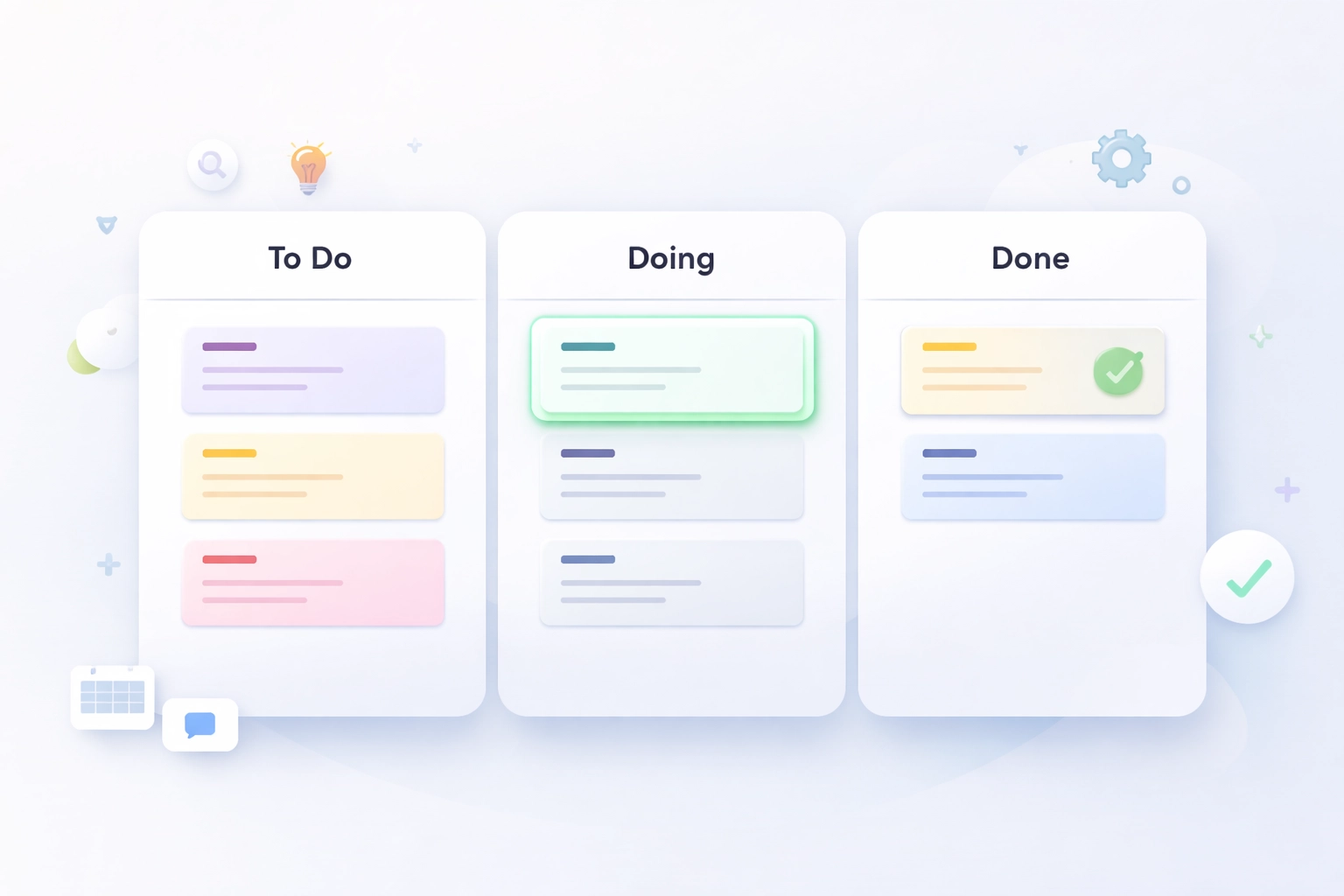
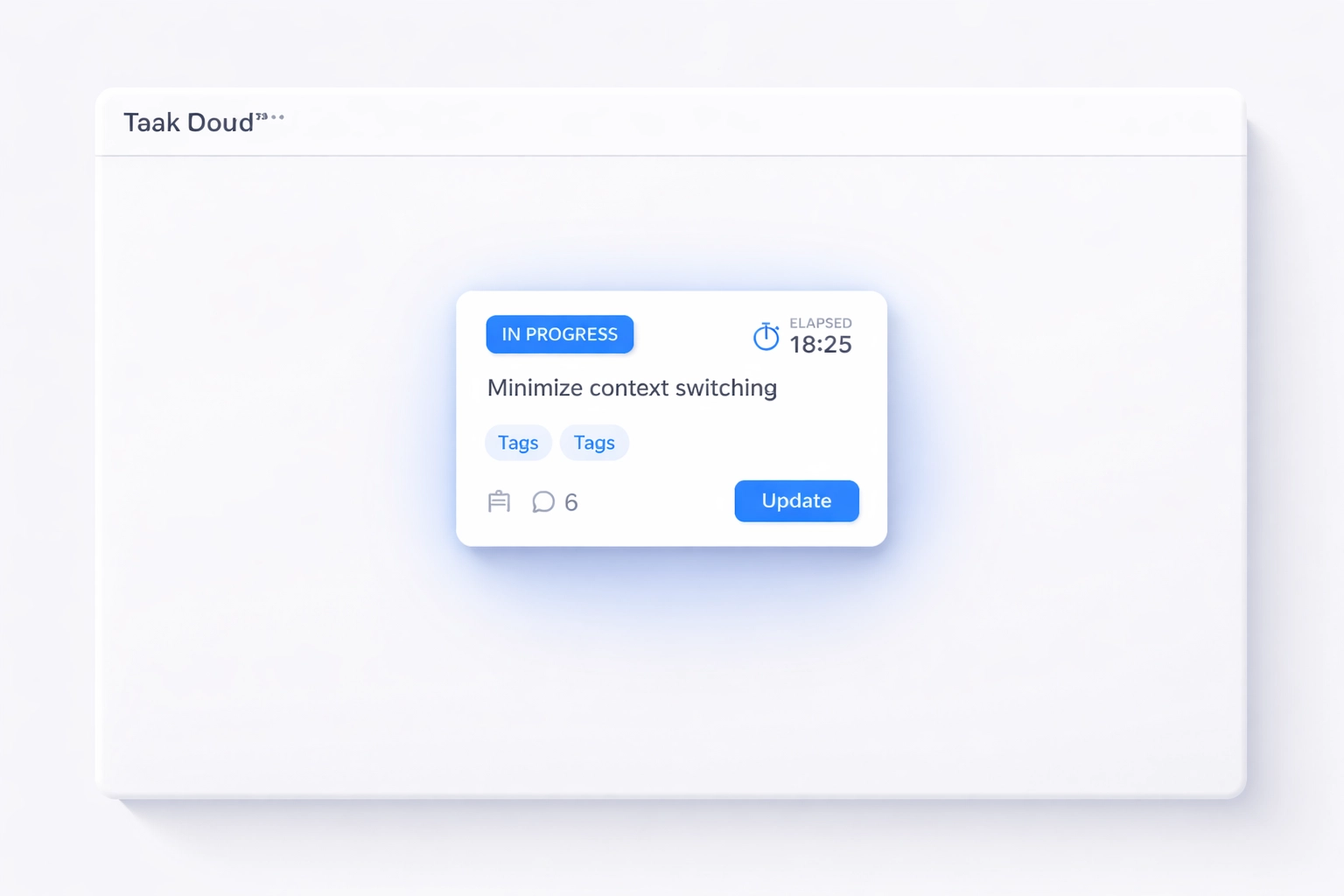
This is where a good task management tool comes into its own. Keeping all discussions attached to specific tasks means everyone can see the latest requirements and updates. Tools like Task Board let you organise work visually, with all comments and files in one place, so no-one gets the wrong end of the stick.
Good task management is the all-purpose antidote to timewasting affliction. It doesn't serve you, the client, or your remote team well at all if voices are muddling over one another, unsure of what to do.
Good business is about making the most of what you have. Collaboration is key, so find the right tools and never be deterred by a ticking clock again.